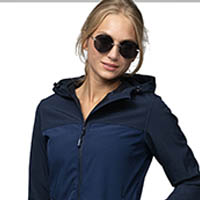
OEKO-TEX is the short name of the International Association for Research and Testing in the Field of Textile and Leather Ecology. The organisation was founded in 1992 on the initiative of the German Hohenstein Institute and the Austrian Textile Research Institute. The association is based in Zurich and its activities rely on cooperation with 17 independent research institutes and testing laboratories. The Polish partner of OEKO-TEX is the Łukasiewicz Research Network – Łódź Institute of Technology.
Standard 100 by OEKO-TEX® is a certificate confirming that a textile product is safe for human health. It sets precise limits on the content of chemical substances that could harm users. Testing covers not only the finished product with all its accessories, such as buttons, zips and labels, but also the raw materials and intermediate products used to make it. Each of these components must meet the requirements of the standard.
The list of controlled substances is long. It includes, among others, azo dyes releasing carcinogenic amines, pesticides, chlorophenols, chlorobenzenes and chlorotoluenes, phthalates, organotin compounds, carcinogenic and allergenic substances, heavy metals that can migrate to the skin, as well as solvent residues. Certified textiles must also have a skin-friendly pH and adequate colour fastness so that the dye does not transfer to the skin.
The main purpose of Standard 100 by OEKO-TEX® is to protect people from contact with substances harmful to health. This applies primarily to the skin, but the standard also takes into account contact with saliva, important for baby products, as well as odours emitted by the product.
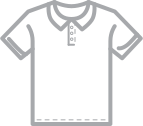
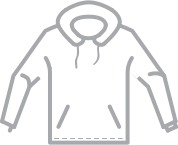
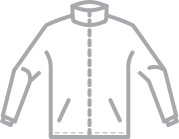
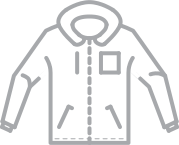
The closer a textile is to the skin, the stricter the requirements it must meet. That is why products are divided into four classes:
STANDARD 100 by OEKO-TEX® is one of the most recognised textile quality labels in the world. For buyers it is a simple indication: clothing bearing this label has undergone independent testing and is safe for health.
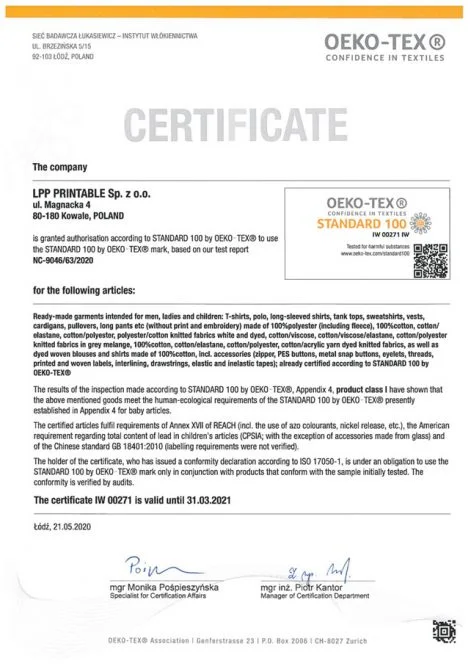
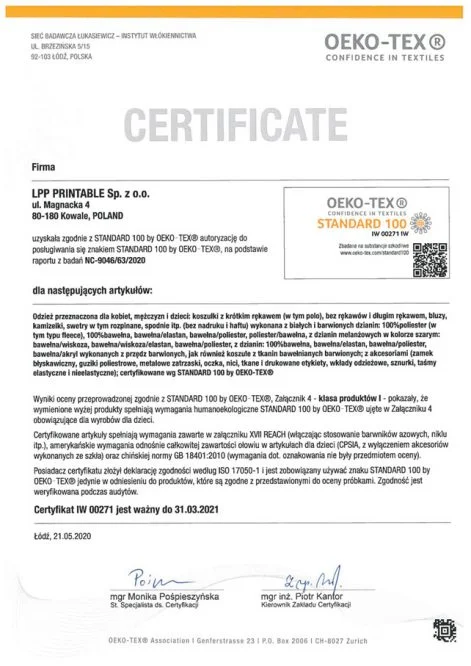
The certificate is used by thousands of manufacturers from many countries, including LPP Printable. On the basis of test report no. NC-9046/63/2020, the Textile Research Institute awarded this brand the STANDARD 100 by OEKO-TEX® certificate in class I. It covers products made of white and dyed cotton and polyester knitted fabrics that meet the human-ecological requirements of the standard.
This standard sets out the general requirements for protective clothing, including the innocuousness of materials, ergonomics, sizing, marking and information supplied by the manufacturer. However, it is never applied on its own. It always goes hand in hand with a standard covering a specific hazard, e.g. EN 342 for clothing protecting against cold or EN ISO 20471 for high-visibility clothing. Protective clothing is personal protective equipment, and under European Union regulations every such item must bear the CE marking.
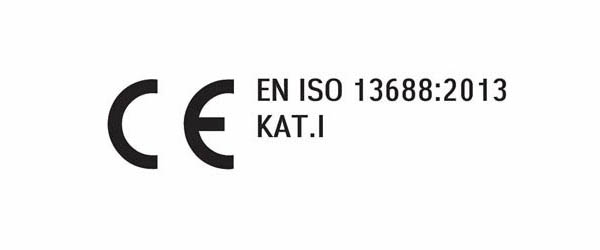
Clothing meeting this standard protects the wearer against cooling in a cool environment at temperatures above -5°C. Protection against cool environments falls under category I of personal protective equipment, i.e. equipment intended to protect against minimal risks. Such clothing does not require testing by a notified body. Conformity with the requirements is assessed by the manufacturer itself, who confirms it by issuing an EU declaration of conformity.

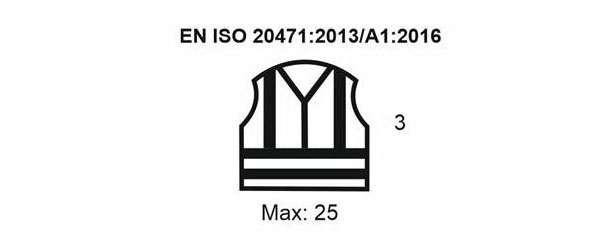 EN ISO 20471:2013 High-visibility clothing (Hi-Vis)
LPP Printable is a group of brands specialising in workwear and promotional clothing. Its business is built on a responsible approach to the environment and an offer that is flexibly tailored to customers’ expectations.

Promostars is a brand specialising in the production of promotional and advertising clothing. It stands out for careful workmanship, a wide choice of models and constant product availability, which means orders are fulfilled without delays.

Crimson Cut is a brand creating fashionable urban clothing in which modern designs meet timeless classics.
Mark The Helper is a workwear brand that focuses above all on wearing comfort and durable, high-quality materials.

Geffer creates practical clothing with a modern look that works well both for everyday outfits and for sports.

AGRAF Office
ul. Sielska 14 B
10-802 Olsztyn
tel.: 89 527 34 74
gsm: +48 609 803 066
gsm. EN: +48 887 300 075
gsm. DE: +49 176 622 01 792
tel. RU: +48 89 522 93 80
e-mail: biuro@promostars.pl